
Top Waterproofing Products for Long-Lasting Protection
Discover the leading waterproofing solutions designed to safeguard your property from water damage and ensure durability.
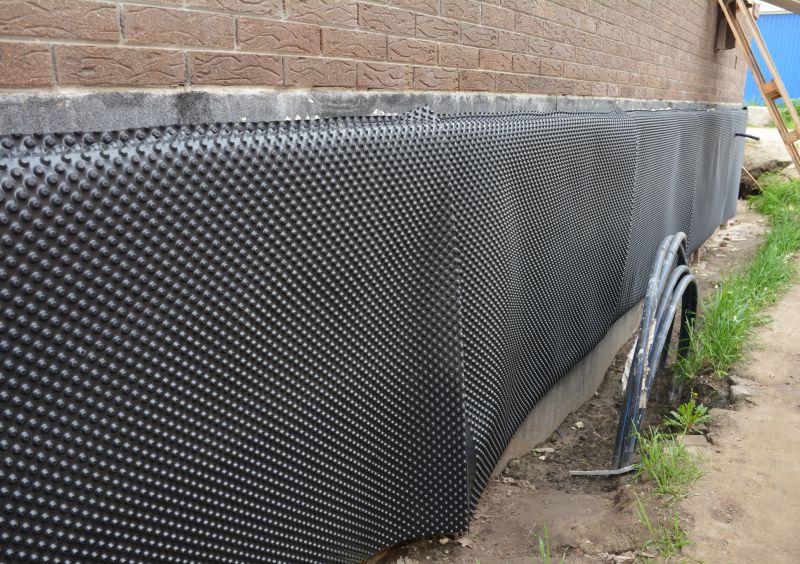 Waterproofing products are essential for protecting structures from moisture intrusion, which can lead to damage, mold growth, and structural deterioration over time. Whether you're sealing a basement, waterproofing a roof, or safeguarding foundations, selecting the right products is crucial for effective long-term results. Proper application and choosing suitable materials can significantly enhance the durability and integrity of various surfaces. From liquid sealants to membrane systems, there is a wide array of options designed to meet different needs and project scales.
Top Overall Option
Liquid Waterproofing Membrane
A versatile liquid waterproofing membrane can be applied to various surfaces, creating a seamless barrier against water intrusion. It is suitable for roofs, foundations, and balconies, offering flexibility and ease of application. This type of product often adheres well to different substrates and can accommodate minor surface movements, making it a reliable choice for many waterproofing projects.
Types of Products For Waterproofings
Liquid Waterproofing Membranes
Applied as a liquid, these membranes form a continuous, seamless barrier suitable for roofs, basements, and decks.
Bituminous Coatings
Asphalt-based coatings that provide durable waterproofing for foundations and roofs.
Polyurethane Coatings
Flexible coatings ideal for surfaces requiring expansion and contraction accommodation.
Rubberized Sealants
Sealants that offer high elasticity and adhesion for sealing cracks and joints.
Waterproofing Paints
Paints designed with waterproofing properties for walls and ceilings.
Membrane Sheets
Pre-formed sheets made of rubber, PVC, or other materials for large surface coverage.
Cementitious Waterproofing
Ready-mixed cement-based coatings suitable for basements and water tanks.
Crack Fillers
Specialized products for filling and sealing cracks before applying waterproofing layers.
Hydrophobic Sealants
Sealants that repel water and prevent absorption into porous surfaces.
Spray-On Waterproof Coatings
Sprayable products that create a waterproof barrier on various surfaces quickly.
Drainage Mats and Systems
Materials designed to direct water away from structures and improve drainage.
Waterproofing Tapes
Flexible tapes used to seal joints, seams, and cracks effectively.
Popular Choices
Widely used for their ease of application and seamless coverage across various surfaces.
Commonly selected for their durability in foundation and roof applications.
Popular for projects requiring flexible and weather-resistant layers.
Favored for sealing cracks and joints in concrete and masonry surfaces.
Chosen for wall and ceiling applications where added moisture protection is needed.
Preferred for large-scale projects like roofing and foundation waterproofing.
A common choice for basement walls and water tanks due to its compatibility with concrete surfaces.
Often used as a preparatory step before applying other waterproofing layers.
Popular for their water-repelling properties on porous surfaces.
Valued for quick application on irregular or large surfaces.
Commonly used to improve water management around foundations.
Convenient for sealing seams and joints in various construction scenarios.
In residential settings, waterproofing solutions help prevent water seepage through walls and floors, especially in areas prone to high moisture levels. Commercial and industrial applications often require more robust systems capable of handling larger volumes of water or exposure to harsh environmental conditions. The variety of products available allows for tailored solutions, whether for minor repairs or comprehensive waterproofing projects. Understanding the specific requirements of your project can guide you toward the most appropriate materials and techniques.
Applying waterproofing products correctly is vital for achieving optimal results. Surface preparation, proper application methods, and adherence to manufacturer instructions contribute to the effectiveness of these products. Regular maintenance and inspections can also help identify potential issues early, ensuring continued protection. With advancements in waterproofing technology, many products now offer improved adhesion, flexibility, and longevity, making them suitable for diverse applications across different climates and structures.
In Lockport, IL, where seasonal weather fluctuations can challenge building resilience, choosing high-quality waterproofing solutions can be an important part of property maintenance. Whether for new construction or repairs, utilizing the right products can help mitigate water-related problems and extend the lifespan of your property. Consulting with professionals or knowledgeable suppliers can provide additional insights into the most suitable options for your specific needs.
Key Buying Considerations
- Identify the specific area or surface that requires waterproofing to select the most suitable product type.
- Consider the environmental conditions, including exposure to sunlight, temperature fluctuations, and moisture levels.
- Check the compatibility of the waterproofing material with existing surfaces such as concrete, wood, or metal.
- Evaluate the ease of application and whether professional assistance is needed for best results.
- Review the product’s drying and curing times to plan your project timeline accordingly.
- Determine the flexibility of the product, especially for surfaces prone to movement or expansion.
- Assess the longevity and durability of the waterproofing solution in your climate zone.
- Look into the adhesion properties to ensure the product bonds well with the substrate.
- Consider whether the product is suitable for interior, exterior, or both types of applications.
- Check for any required surface preparation steps to maximize effectiveness.
- Review safety data and handling instructions, especially for chemical-based products.
- Verify if the product is compatible with other sealants or coatings you plan to use.
- Estimate the coverage area per unit to determine the quantity needed for your project.
- Assess the cost-effectiveness based on the product’s performance and lifespan.
- Consider any additional features such as UV resistance, mold resistance, or ease of maintenance.